make preferable
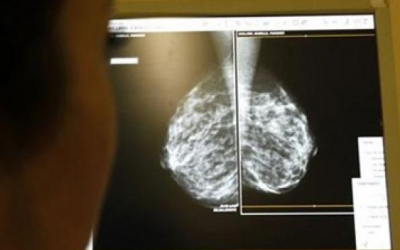
According to a new study published in The British Medical Journal, mammograms may not cut mortality risk, Fox News reporst. It adds even more intensity to a question that’s been hotly debated by the medical community in recent years: Are mammograms worthwhile? Every medical test comes with both potential risks and benefits to consider--and some experts are becoming increasingly vocal about their belief that the guidelines for who should get mammograms and how often should be revisited.
For the British Medical Journal study, Canadian researchers looked at data from the Canadian National Breast Screening Study, which recruited 89,835 women who were 40-59 at the beginning of the study, gave each of them a clinical breast exam, then assigned each participant to one of two groups: a group that would receive annual mammograms and clinical breast exams for the next four years, or a group that would receive only annual clinical breast exams for the next four years (or, in the case of the women 40-49, would just remain under the care of their regular doctors). Researchers then continued to follow up with the participants until 25 years after their original recruitment.
During the initial screening period, a total of 1,190 breast cancers were diagnosed (666 in the mammography group, and 524 in the control group). The tumors detected by mammograms did tend to be slightly smaller and were a little less likely to be node positive (meaning they had cancerous cells in them). But the mortality rate didn’t differ much between the two groups: During the 25-year follow-up period, 180 women in the mammogram group died, compared to 171 women in the control group.
What’s more, the study authors are asserting that about one in five of the breast cancer diagnoses made as a result of mammograms were over-diagnoses. In other words, had these tumors not been detected, researchers say they never would have caused health issues or required treatment.
Anyhow this new research still has some issues with it, says Dr. Marisa Weiss, president and founder of Breastcancer.org. For one thing, it looks only at survival--and not at other factors like quality of life. “Most women would like to be diagnosed at an earlier stage when they can avoid chemotherapy,” she says.