
 make preferable
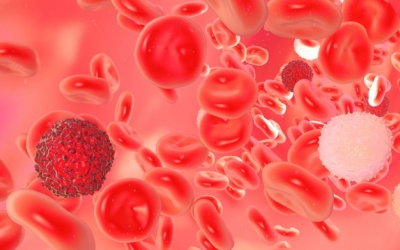
An experimental therapy may effectively treat a type of adult leukemia that often has a grim prognosis, Newsmax Health reports.
Researchers found that of 16 patients with advanced B-cell acute lymphoblastic leukemia (ALL), 88 percent went into remission after being treated with genetically altered versions of their own immune system cells.
"First and foremost, we've shown that this isn't a fluke. This is a reliable result," said study senior author Dr. Renier Brentjens, an oncologist at Memorial Sloan-Kettering Cancer Center in New York City.
"This opens up a possibility for patients who currently have no other options," said Dr. David Porter, director of blood and marrow transplantation at the University of Pennsylvania's Abramson Cancer Center, who was not involved in the study.
ALL is a cancer of the blood and bone marrow that progresses quickly. The standard first treatment is three separate rounds of chemotherapy drugs, and for many patients it does beat back the cancer. At that point, the only hope for long-term survival is to have another round of chemo that wipes out the cancer, followed by a bone marrow transplant.
But when the cancer recurs, it is likely to be resistant to many chemo drugs, Brentjens explained. The experimental therapy uses a different approach, recruiting the immune system to target specific proteins on ALL cells.
Doctors take immune system T-cells from patients' blood, then genetically engineer the cells to activate a type of receptor that allows the T-cells to recognize and destroy ALL cells.
It's not clear whether the T-cell therapy could be used in other types of cancers. But the question is being studied.





